Basra Engineering Polytechnic College Organizes Scientific Training Course on Academic Description and the Calculation of Academic Hours and Credits under the Bologna Process
In support of the requirements for implementing the Bologna Process and enhancing the professional skills of the College’s staff, and under the patronage of the Dean of Basra Engineering Polytechnic College, Dr. Diyah Kammel Shary, the Scientific Division at the College, in cooperation with the Studies and Planning Division, the Department of Chemical and Petroleum Industries Engineering, and the Government Media and Communication Division, organized a scientific training course entitled:
“Academic Course Description and the Calculation of Academic Hours and Credits under the Bologna Process.”
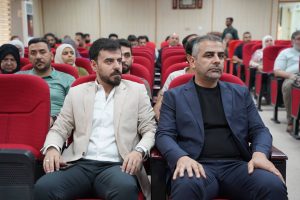
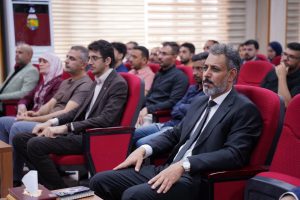
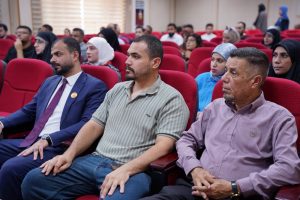
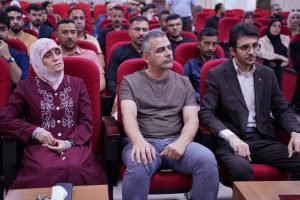
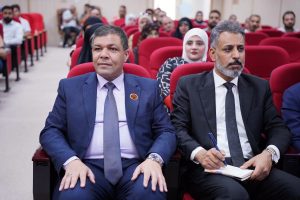
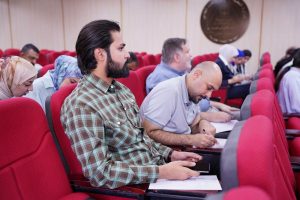
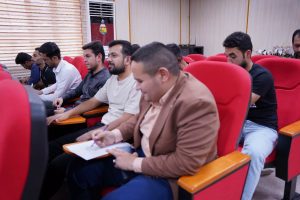
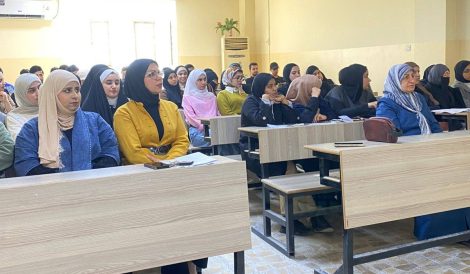
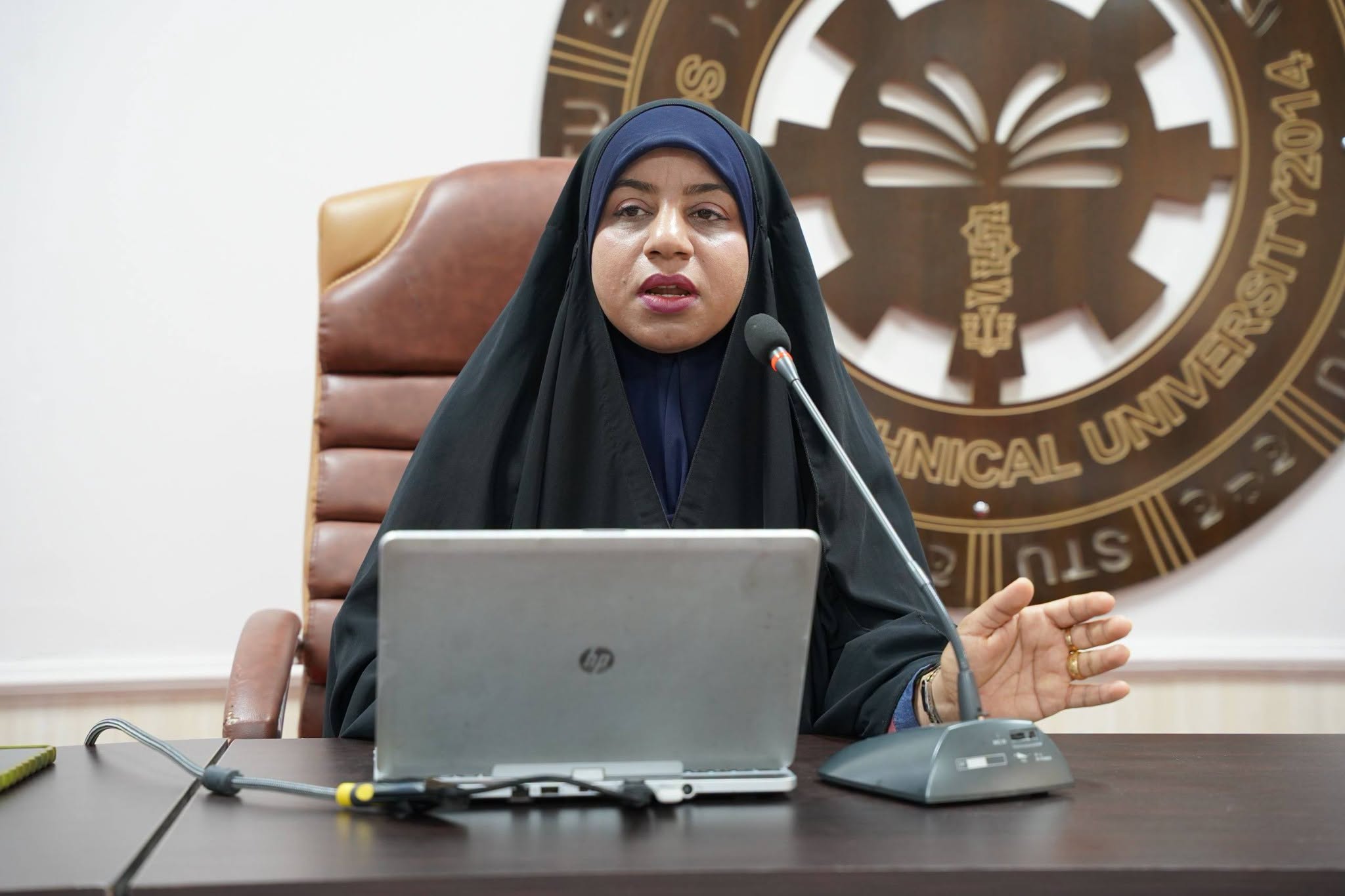
The three-day course was held at the College’s Conference Hall and was delivered by Assistant Professor Dr. Nargis Ibrahim Khalid. The course addressed a range of academic and scientific topics related to the implementation of the Bologna Process.
Course Topics
The course provided an overview of the concept of academic course description and its importance in organizing academic programs. It also outlined the key components of a course description, including course objectives, intended learning outcomes, academic content, course topics, teaching and learning strategies, and assessment and examination methods.
The course also addressed the concept of learning outcomes and their significance in identifying the knowledge and skills that students are expected to acquire upon completion of a course. Particular emphasis was placed on aligning learning outcomes with course content, teaching methods, and assessment approaches, thereby ensuring coherence between course requirements and the objectives of academic programs.
In addition, the course examined academic hours and credits and the mechanisms for calculating them under the Bologna Process. It also introduced the European Credit Transfer and Accumulation System (ECTS), which is based on the overall volume of learning and the workload required of students to complete their courses and educational activities.
The importance of calculating theoretical and practical academic hours was also highlighted, along with the need to manage students’ academic workload and distribute credits across courses within the study plan. This contributes to achieving an appropriate balance between the academic and practical requirements of academic programs.
The course further emphasized the importance of adopting a standardized and accurate academic course description and its role in documenting academic programs, facilitating the monitoring of study plan implementation, and enhancing transparency and clarity regarding course requirements and student assessment mechanisms.
The course also aimed to support preparations for welcoming first-year students enrolled in the Bologna Process for the 2026–2027 academic year, while strengthening cooperation among the relevant divisions and units within the College. These efforts contribute to organizing the educational process and meeting quality assurance and academic accreditation requirements.
At the conclusion of the course, participants emphasized the importance of continuing to organize specialized scientific workshops and training courses, exchanging expertise among the College’s staff, and pursuing the continuous development of academic and administrative performance in line with the directions of Southern Technical University in supporting technical education and enhancing the quality of its educational outcomes.