Basra Engineering Polytechnic College Holds Scientific Workshop on “Reasons for Research Rejection by Reputable Journals”
Under the patronage of Assistant Professor Dr. Diyah Kammel Shary, Dean of Basra Engineering Polytechnic College, the College’s Scientific Affairs Division organized a scientific workshop entitled “Reasons for Research Rejection by Reputable Journals,” in collaboration with the Research Unit and the Media and Government Communication Division.
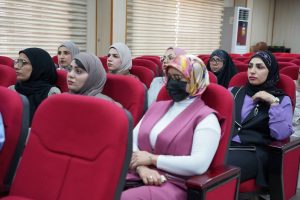
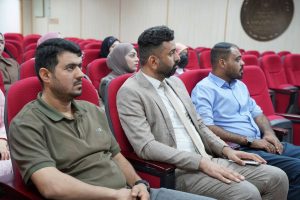
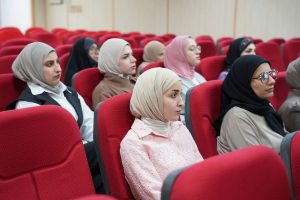
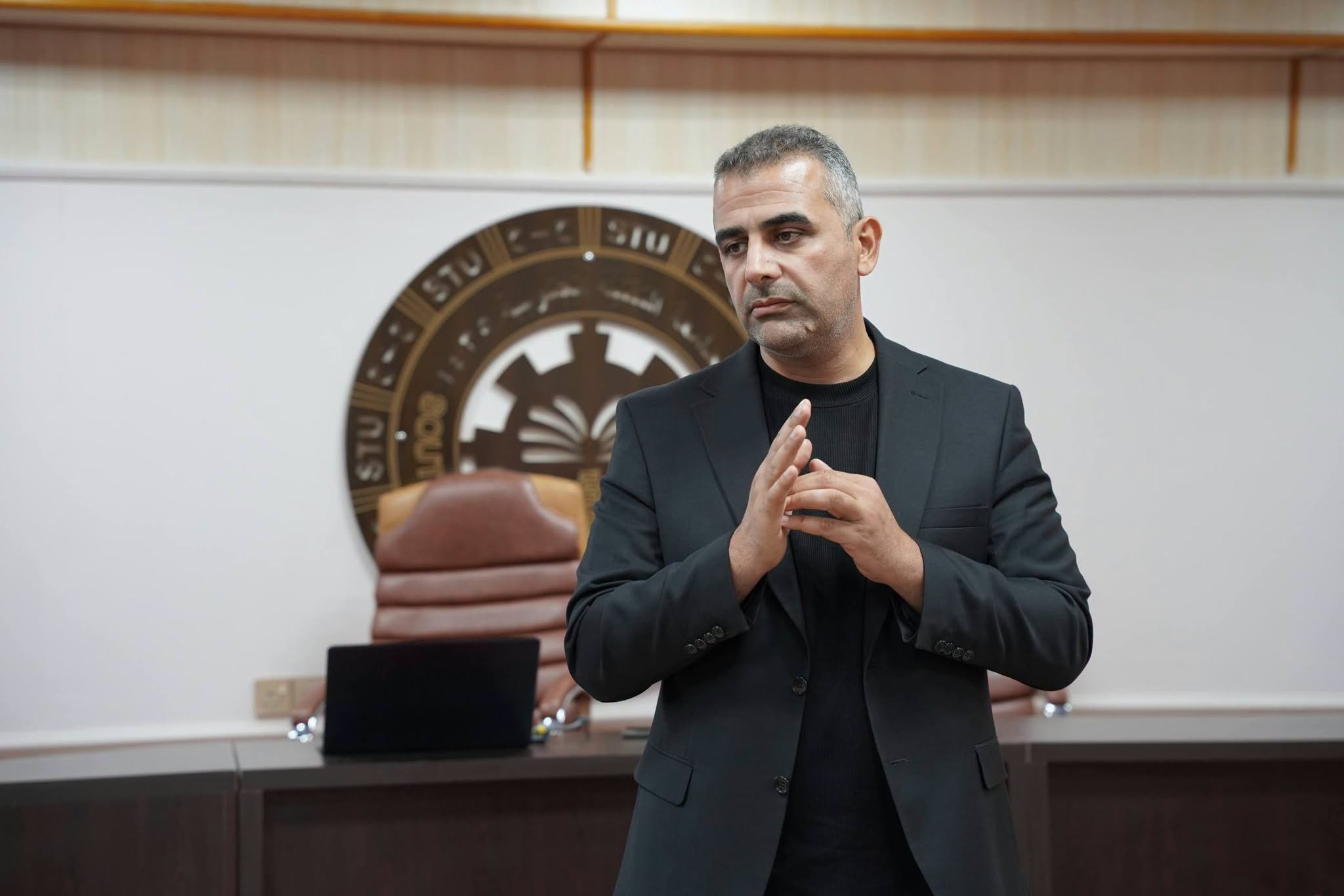
The workshop was delivered by Lecturer Dr. Mohammed Hamid Radi, Associate Dean for Scientific Affairs and Student Affairs, and attended by a number of College staff members. It took place in the College’s Conference Hall.
The workshop aimed to highlight the major challenges and common mistakes that lead to the rejection of research papers submitted to reputable international journals. It also sought to help researchers avoid these pitfalls, improve their chances of publication, and strengthen their scientific publishing record.
The workshop covered several key topics, including:
- Poor Research Quality: Highlighting the importance of a clearly defined research methodology and sound statistical analysis.
- Lack of Originality and Plagiarism: Addressing substantial similarities between submitted research and previously published studies, as well as cases of academic plagiarism.
- Limited Scientific Contribution: Emphasizing the importance of presenting innovative ideas and making a meaningful, original contribution to the field.
- Inappropriate Topic Selection and Journal Mismatch: Ensuring that the research topic aligns with the scope, aims, and areas of interest of the target journal.
- Linguistic and Stylistic Errors: Highlighting the need to avoid spelling and grammatical mistakes and weaknesses in academic writing in English or the language in which the research is written.
- Literature Review and Results Presentation: Emphasizing the importance of drawing on recent studies, adequately reviewing previous research, presenting tables and figures accurately, and interpreting findings correctly.
The workshop witnessed active participation from attendees, who engaged in constructive discussions and contributed valuable academic insights. Such exchanges support ongoing efforts to improve the quality of scientific research and academic scholarship at the College.